
Net Metering in Pennsylvania Explained
How Pennsylvania net metering credits your solar exports: utility rules, billing impacts, and what to ask before interconnecting a rooftop system in Western PA.
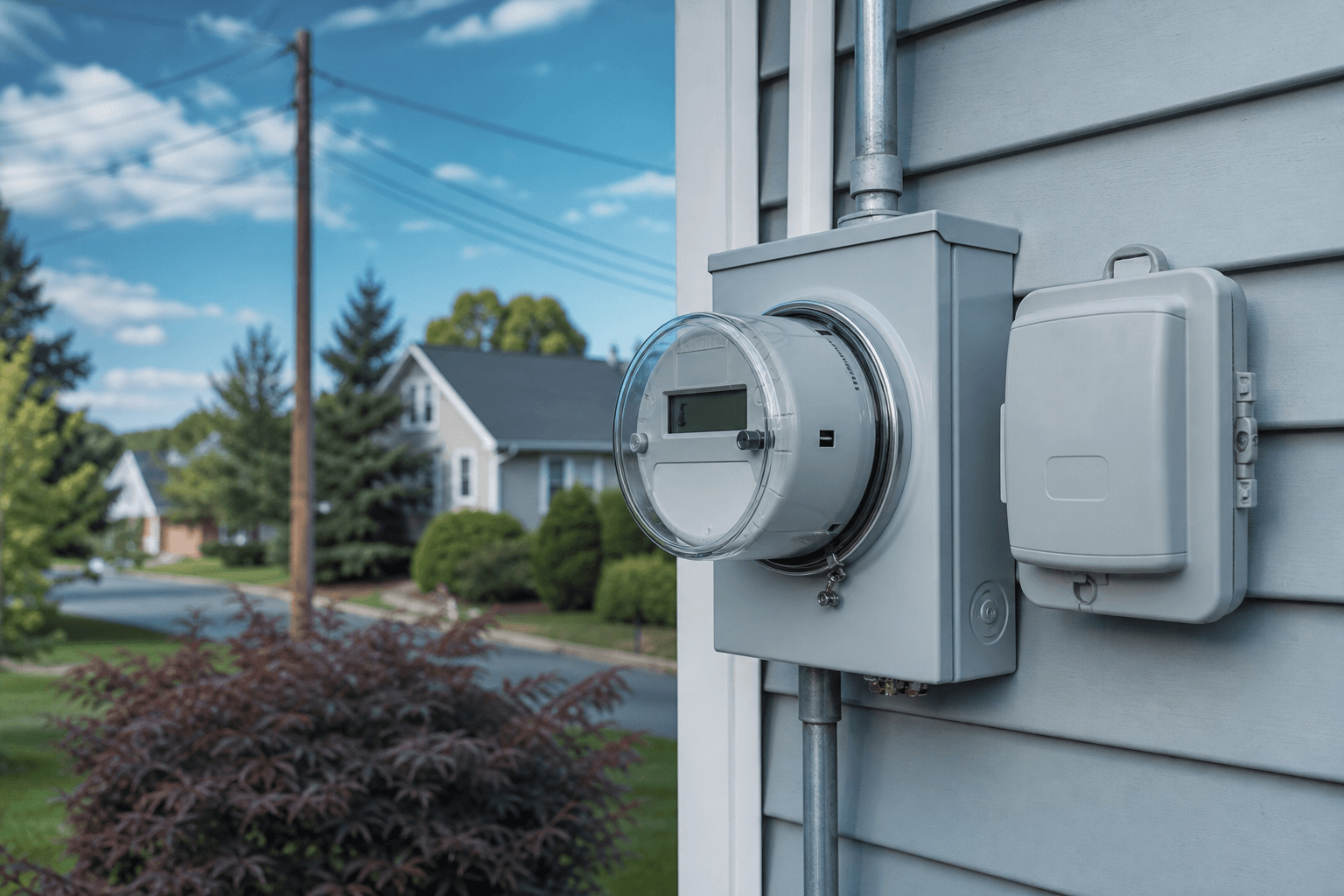
Net metering is the policy mechanism that makes most residential solar systems practical for grid-connected homes. Without it, or with weak successor tariffs, the economics of rooftop solar change dramatically.
If you are evaluating solar in the Greater Pittsburgh region or anywhere in Pennsylvania, understanding net metering on your utility bill is as important as panel brand or price per watt.
What net metering means
When your solar array produces more electricity than your home uses, surplus power flows to the grid. Net metering credits that exported energy against the power you draw when the sun is not shining.
Your meter effectively tracks the net flow over a billing period. You pay for (or receive credit toward) the difference depending on utility rate rules.
Net metering is not the same as going off-grid. You remain connected to your utility; the grid acts as backup storage you do not pay to maintain separately.
Pennsylvania policy context
Pennsylvania has required net metering for customer-generators up to certain capacity limits under state rules implemented by the Public Utility Commission (PUC). Utilities in the state, including those serving the Greater Pittsburgh area, interconnect residential solar under tariffs that define:
- Eligible system sizes
- Credit rates for exported energy
- Billing and true-up periods
- Fees or charges that may apply to solar customers
Policy details evolve. Always read your utility's current interconnection tariff and rider, not a summary from an old blog post or sales deck.
How credits appear on your bill
Utilities differ in presentation, but concepts repeat:
kWh banking
Exported kWh may offset imported kWh one-for-one at the retail energy rate during a billing cycle or true-up period. That is the classic net metering benefit.
Supply vs delivery charges
Some bills separate generation/supply from distribution/delivery. Net metering may fully offset one component but not another depending on tariff structure. A proposal claiming "zero bill" may ignore fixed customer charges or delivery fees that remain monthly.
True-up periods
Some utilities reconcile credits over 12 months. Summer surplus may cover winter shortfalls. Understand when unused credits expire or roll over. Rules vary.
Pittsburgh-area utilities
Western Pennsylvania homeowners commonly fall under:
- Duquesne Light (many city and inner-ring municipalities)
- FirstEnergy utilities such as West Penn Power, Penn Power, or PPL depending on location
Each has its own application process, technical requirements, and tariff language. Your installer usually submits interconnection paperwork, but you should review what tariff you will operate under.
Ask your installer: "Which net metering tariff applies, and can I see a sample bill after solar?"
Net metering vs battery storage
Batteries store excess production on-site instead of exporting immediately. Reasons homeowners add batteries:
- Backup power during outages (requires proper configuration)
- Time-of-use rate arbitrage (less common in PA residential tariffs today)
- Maximizing self-consumption if net metering value declines in future policy
Batteries add cost. For many PA homeowners today, grid net metering still carries much of the financial value. Evaluate batteries on backup needs, not fear alone.
What reduces net metering value
Watch for policy or tariff changes such as:
- Lower export credit rates than retail import rates ("net billing" lite)
- Additional monthly fees for solar customers
- Caps on system size relative to historical usage
Pennsylvania debates around distributed energy policy surface periodically in Harrisburg. Staying informed matters for long-term savings, though you cannot predict legislation.
Questions for your installer and utility
Before signing:
- What is the maximum system size I qualify for under net metering rules?
- At what rate are exports credited vs what rate do I pay for imports?
- Are there fixed charges that remain even with zero net kWh?
- What happens to unused credits at the end of a true-up period?
- How long does interconnection approval typically take with my utility?
Get answers in writing referencing tariff names and rider numbers.
Common misconceptions
"I will never pay for electricity again."
Fixed charges, delivery fees, and winter shortfalls often mean some bill remains unless production and credits align perfectly with usage patterns.
"Export at noon pays my midnight usage dollar for dollar."
Usually yes for energy charges under traditional net metering, but verify on your tariff.
"I can size the system infinitely and earn money."
Utilities cap eligibility relative to load. Oversizing may not qualify for full net metering credits.
Linking net metering to overall economics
Net metering drives the savings side of payback equations in our Pittsburgh cost guide. Production estimates from climate and roof analysis feed the kWh exported and imported each month.
SRECs and other programs appear in Pennsylvania incentives overview. As of 2026, the federal residential purchase credit (Section 25D) no longer applies to new owner-purchased systems.
Summary
Net metering lets Greater Pittsburgh homeowners use the grid as a virtual battery, crediting solar exports against later imports. It is central to residential solar economics in Pennsylvania, but the details live in your utility's tariff, not generic national marketing.
Read the tariff, model seasonal bills, and compare installer savings claims against those rules. This site provides general education only; confirm all billing impacts with your utility and a qualified installer before interconnecting.
For the full evaluation path, see our residential solar guide for Pittsburgh.
Related posts

What Pennsylvania homeowners should know about 2026 solar incentives: expired residential ITC, SRECs, net metering, utility programs, and lease or PPA credit rules.
Typical solar costs for Greater Pittsburgh homes: price per watt, system sizes, what drives quotes, and how to compare proposals without sales pressure.
Solar works in Greater Pittsburgh despite cloud cover. See how weather, snow, and roof orientation affect rooftop panel output in Western Pennsylvania.