
Residential Solar in Pittsburgh Guide
How residential solar works in Greater Pittsburgh and Western PA: roof fit, production, costs, and steps to evaluate a system before you talk to an installer.
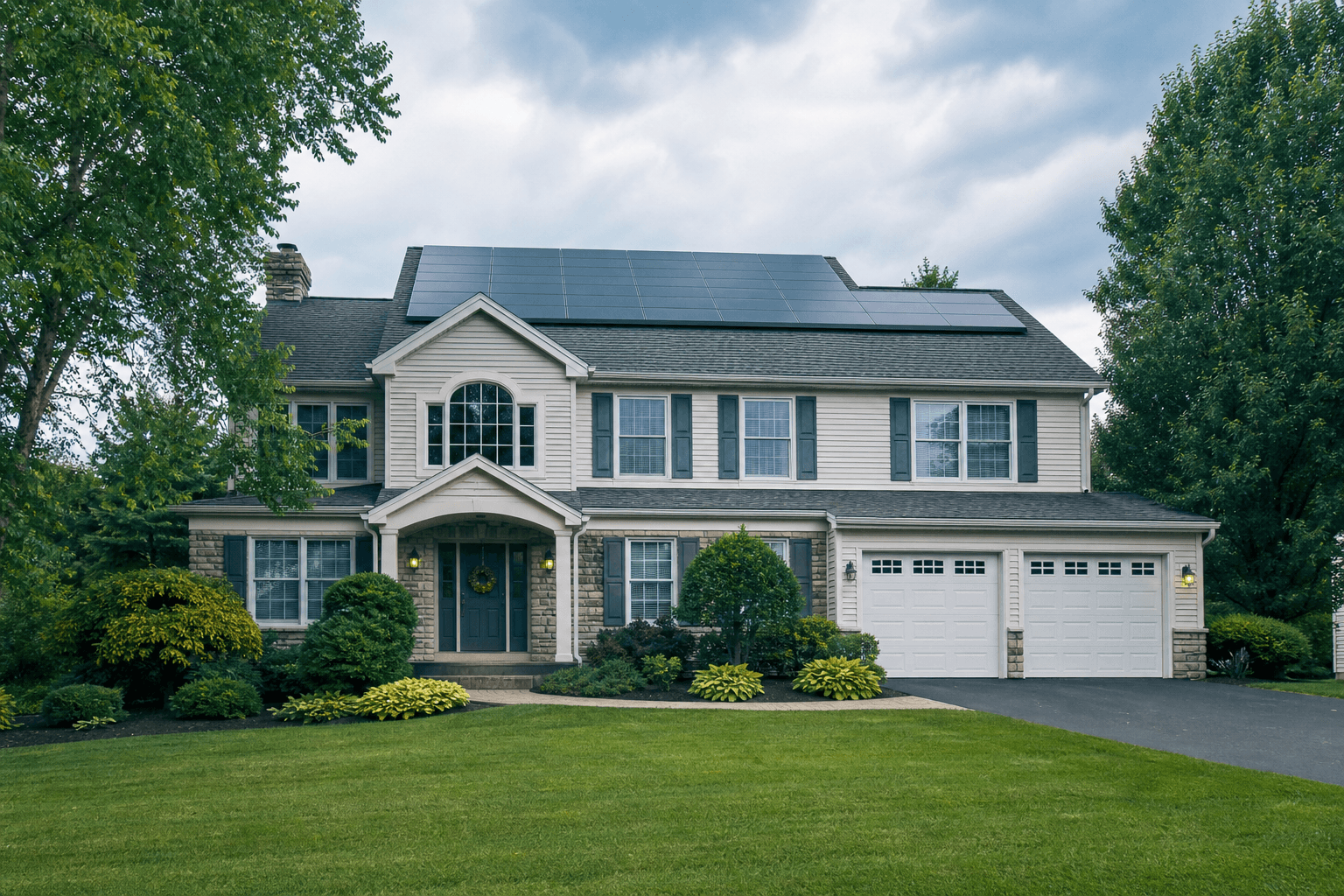
If you own a home in the Greater Pittsburgh region, including Allegheny County and surrounding counties such as Butler, Washington, Westmoreland, or Beaver, you have probably seen solar panels on a neighbor's roof and wondered whether they make sense for you. The answer depends on your roof, your electricity use, your utility, and how long you plan to stay in the house, not on a generic national average.
This guide walks through what residential solar actually means in western Pennsylvania, how the process works, and the questions worth answering before you request a quote.
What residential solar is (and is not)
Residential solar usually means rooftop photovoltaic (PV) panels that convert sunlight into electricity your home can use. When production exceeds what you are using, surplus power typically flows to the grid. In Pennsylvania, most homeowners remain connected to their utility through net metering, which credits exported energy against what you draw at night or on cloudy days.
Residential solar is not:
- A guarantee of zero electric bills
- The same deal for every roof in every neighborhood
- Automatically the best investment compared to efficiency upgrades or a new HVAC system
Treat solar as one option in a broader home energy picture.
Is your Pittsburgh roof a good candidate?
Western Pennsylvania has plenty of usable sunlight for solar despite our reputation for gray skies. Installers evaluate several factors:
Orientation and tilt
South-facing roofs generally produce the most energy in the northern hemisphere. East- and west-facing arrays can still work but may produce less over a year. Flat or low-slope roofs may need racking that angles panels toward the sun.
Shading
Large trees, chimneys, and nearby buildings reduce output. A professional site survey (often using satellite imagery plus an on-site visit) models shading across seasons. Removing trees is sometimes suggested. Weigh that cost and environmental impact against production gains.
Roof age and condition
Solar arrays often last 25 years or more. If your shingles are near end of life, many homeowners replace the roof first or bundle roof work with installation. Installing on a failing roof can mean costly removal and reinstallation later.
Structural capacity
Panels add weight. A reputable installer confirms your roof structure can support the array and racking.
How much electricity might you offset?
System size is measured in kilowatts (kW) of DC panel capacity. A common Greater Pittsburgh home might land in the 6 to 10 kW range, but your usage and roof space drive the number.
Review 12 months of utility bills (kWh, not just dollar totals). Look for seasonal patterns: air conditioning and electric heat can spike summer and winter use. Your goal is usually to offset a meaningful share of annual consumption, not necessarily 100% every month.
Production estimates should use local weather data, not Phoenix or California assumptions. Ask any installer to show how they modeled Pittsburgh-area insolation for your address.
The typical project timeline in western PA
End-to-end timelines often run two to four months, sometimes longer:
- Consultation and proposal: site assessment, system design, pricing
- Permitting: local building department approval in your municipality
- Installation: often one to three days on the roof
- Inspection and interconnection: utility approval to operate and net meter
Allegheny County municipalities vary in permit processing speed. Build that into expectations, especially if you are coordinating other home projects.
Costs and financing (high level)
Installed costs in Pennsylvania have fallen over the past decade but remain a significant investment. Pricing depends on system size, equipment tier, roof complexity, and installer. Greater Pittsburgh quotes often cluster around $2.60 to $2.75 per watt for standard systems, though your roof and equipment choices move that figure.
Homeowners typically consider:
- Cash purchase: highest upfront cost; as of 2026, no federal residential ITC (Section 25D) for new owner-purchased systems
- Solar loan: spreads cost over years; compare APR and total interest to projected savings
- Lease or PPA: little or no upfront cost, but you may not own the system or claim tax credits personally; a third party may use Section 48E through 2027
See our solar cost guide for Pittsburgh for more detail on pricing factors and payback without the residential credit.
Pennsylvania rules that matter
Two state-level topics come up constantly:
- Net metering: how exported power is credited on your bill (explained here)
- Incentives: SRECs, net metering, and any active utility or local programs (Pennsylvania incentives overview)
Utility service territory matters. Duquesne Light, Penn Power, West Penn Power, and others may have different interconnection processes or rate structures.
Red flags when evaluating installers
You do not need to pick the first company that knocks on your door. Watch for:
- Pressure to sign before you review a written proposal
- Savings claims with no production model or assumptions shown
- Quotes that skip roof condition or permit costs
- Proposals that apply a 30% federal residential tax credit to a 2026 purchase without explaining Section 25D expiration
- Verbal promises about incentives without citing current program rules
Get multiple written proposals, compare equipment (panel and inverter brands, warranties), and verify contractor licensing and insurance.
When solar may not be the right move
Solar is not universal. It may be a poor fit if:
- Your roof is heavily shaded and trimming trees is not practical
- You plan to move within a few years (payback may not materialize)
- Your electric use is very low
- Your roof needs major structural work unrelated to solar
Efficiency upgrades, better insulation, or a heat pump might deliver faster returns in some homes.
Next steps for Pittsburgh-area homeowners
- Gather a year of electric bills
- Note roof age, orientation, and obvious shading
- Read about Pennsylvania incentives and net metering
- Request proposals from licensed installers when you are ready, with questions prepared
If you are still in research mode, our guides on Pittsburgh climate and production and local costs go deeper on common concerns.
This site is informational only and not affiliated with any installer. Verify all program details and pricing with official sources and qualified professionals before signing a contract.
Related posts
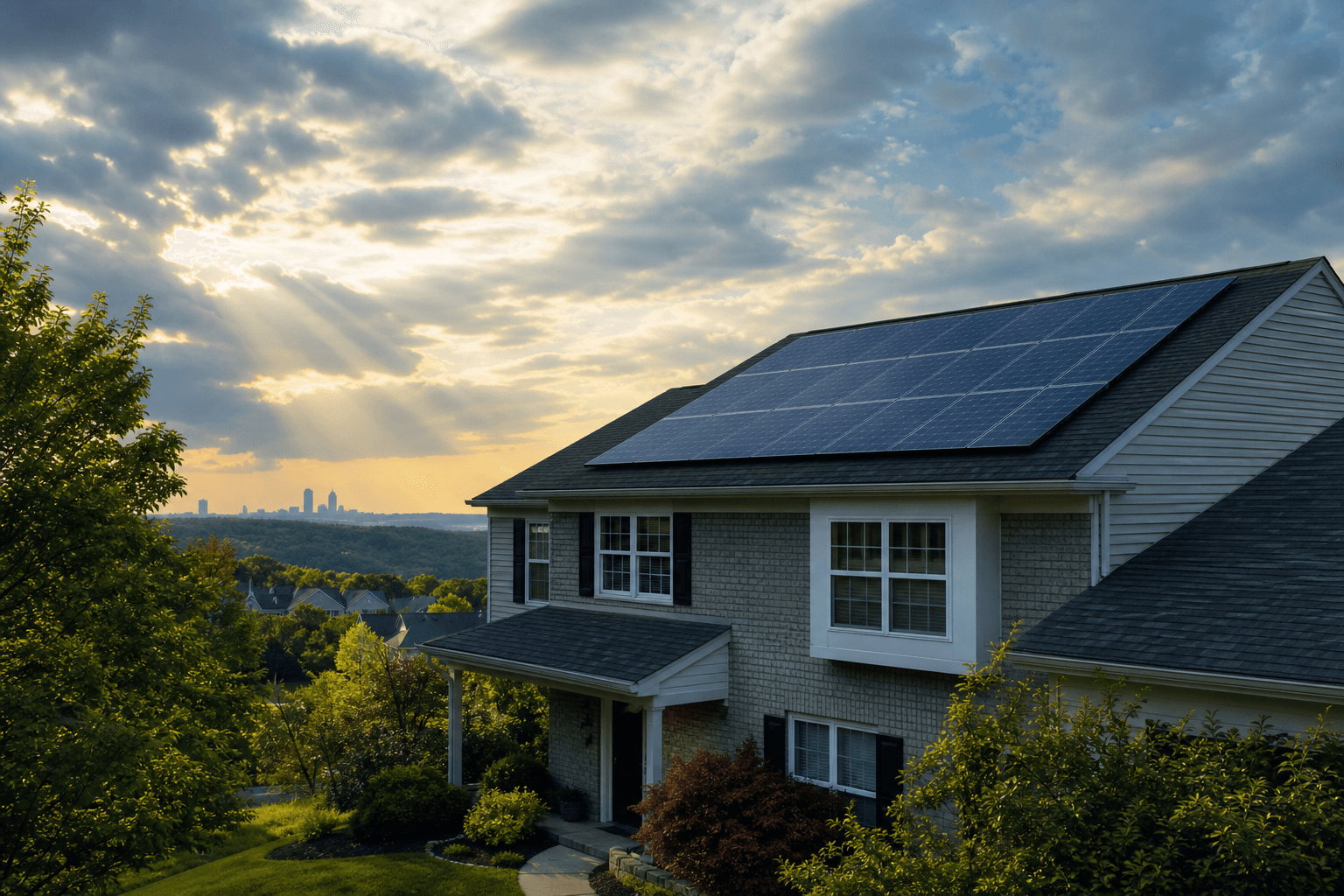
Solar works in Greater Pittsburgh despite cloud cover. See how weather, snow, and roof orientation affect rooftop panel output in Western Pennsylvania.
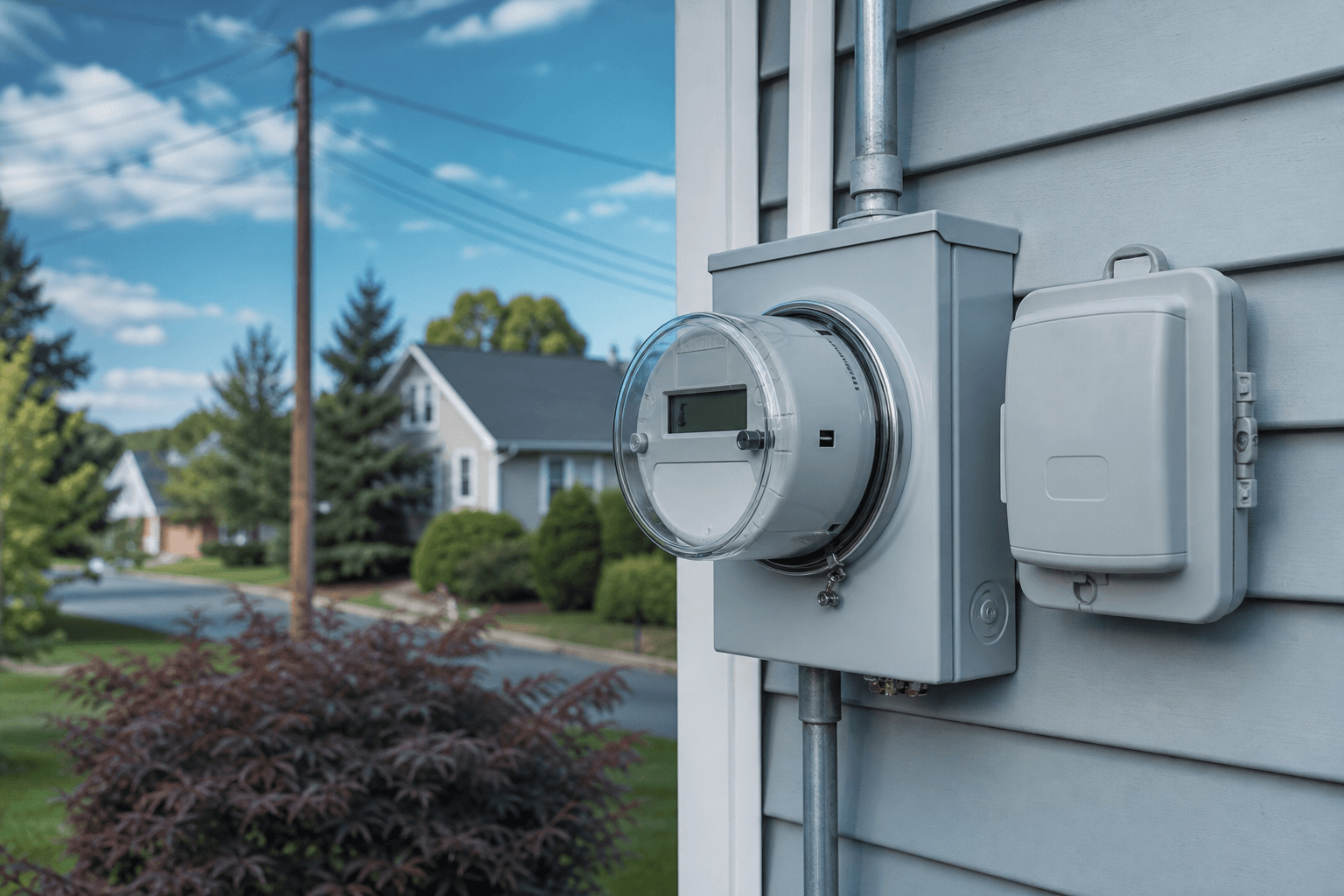
How Pennsylvania net metering credits your solar exports: utility rules, billing impacts, and what to ask before interconnecting a rooftop system in Western PA.
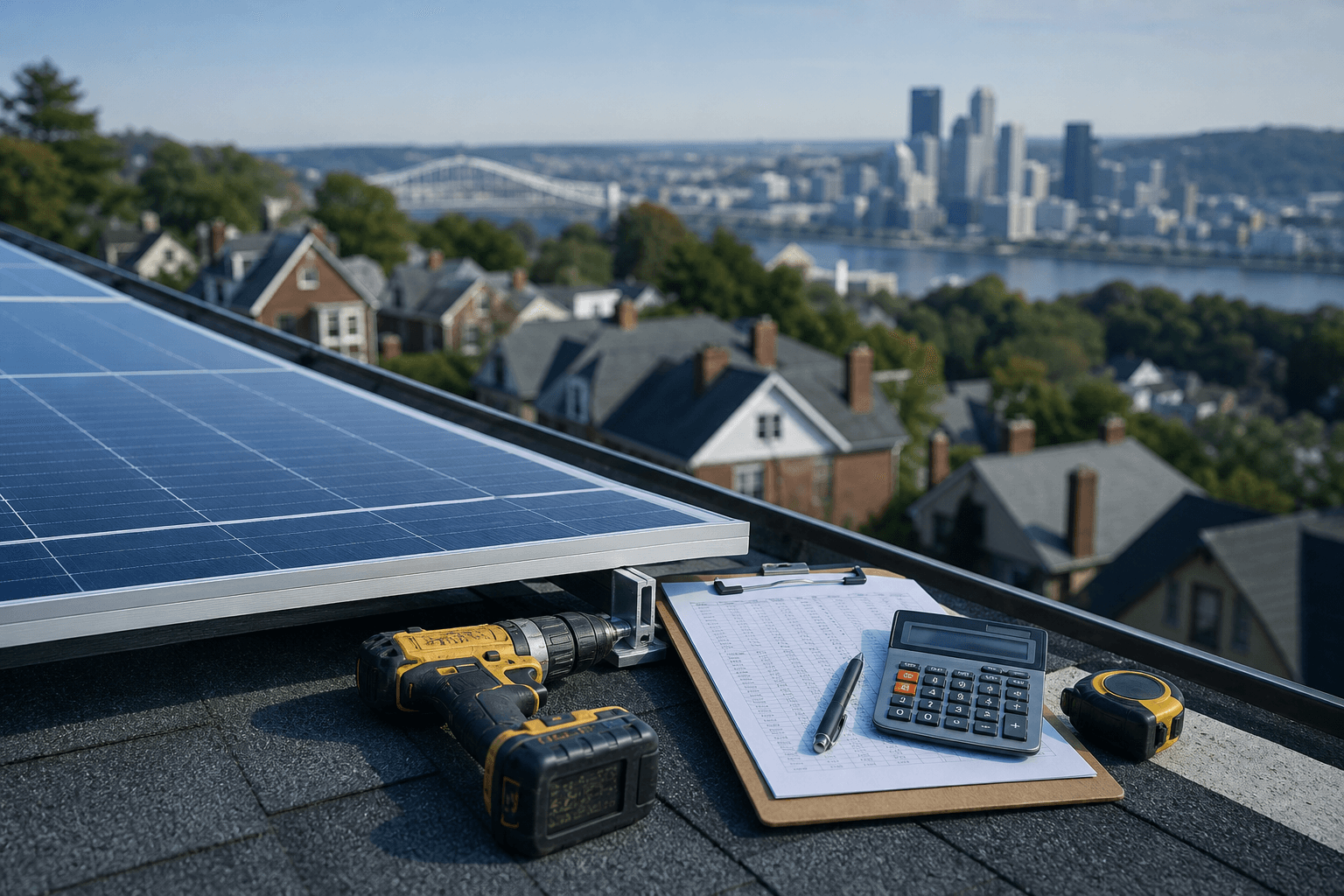
Typical solar costs for Greater Pittsburgh homes: price per watt, system sizes, what drives quotes, and how to compare proposals without sales pressure.